 homyna.com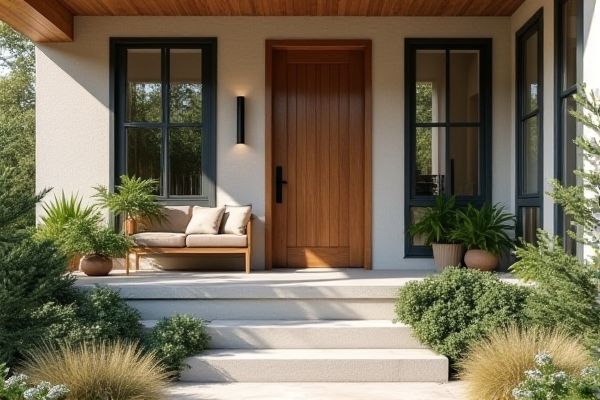
A standalone porch is an independent structure attached to a building, often larger and providing a spacious outdoor area, while a portico is typically a smaller, covered entryway supported by columns, focusing on architectural aesthetics. To understand which option best complements your home design and functional needs, explore the detailed comparisons in the rest of the article.
Table of Comparison
| Feature | Standalone Porch | Portico |
|---|---|---|
| Definition | A covered, open structure attached to the entrance of a house. | A small porch with a roof supported by columns, typically over an entrance. |
| Structure | Usually larger, may have walls or screens. | Smaller, with columns and a roof but no walls. |
| Purpose | Provides outdoor living space and shelter. | Primarily decorative, enhances entrance aesthetics and shelter. |
| Architectural Style | Varies widely; often informal. | Classic architectural element; formal style. |
| Size | Larger footprint, can accommodate seating. | Compact, limited space. |
| Attachment | Attached to the front or side of a building. | Focused specifically on front entrance. |
Introduction to Standalone Porch and Portico
A standalone porch is an independent structure that provides a covered outdoor space, typically attached to the front or side of a home but not fully integrated into the building. In contrast, a portico is an architectural feature consisting of a roof supported by columns, usually extending over the entrance of a building, blending both function and aesthetic appeal. The primary difference lies in the standalone porch's freestanding design versus the portico's direct connection to the building facade.
Defining a Standalone Porch
A standalone porch is an independent structure attached to or separate from the main building, often featuring a roof and open sides to provide sheltered outdoor space. Unlike a portico, which is typically an architectural element leading to a building's entrance with columns supporting a roof, a standalone porch offers a versatile area for outdoor living. This design enhances curb appeal and functional outdoor space without being integrated into the building's facade.
What Is a Portico?
A portico is an architectural feature that consists of a roof supported by columns, typically attached to the front entrance of a building, providing both aesthetic appeal and shelter. Unlike a standalone porch, which can be independent and more enclosed, a portico emphasizes classical design elements inspired by ancient Greek and Roman architecture. Porticos often serve as grand entryways, enhancing curb appeal and offering a transitional space between outdoor and indoor environments.
Key Design Differences
A standalone porch is typically a larger, more enclosed structure attached directly to the entrance of your home, offering ample space for seating and decorative elements. In contrast, a portico is a smaller, roofed extension supported by columns, often serving as a covered walkway or entryway that emphasizes architectural style and protection from the elements. Understanding these key design differences helps tailor your home's curb appeal and functionality according to space and aesthetic preferences.
Architectural Styles and Aesthetic Appeal
Standalone porches often feature a variety of architectural styles, from rustic farmhouse to modern minimalism, enhancing a home's curb appeal by providing a cozy, inviting space. Porticos, typically more formal and classical in design, are characterized by columns and pediments that align with Greek Revival or Colonial architecture, adding grandeur and elegance to the entrance. Both structures contribute significantly to aesthetic appeal, with porches emphasizing comfort and porticos emphasizing stately sophistication.
Functional Benefits of Each Structure
A standalone porch provides a versatile outdoor living space that enhances your home's entrance with added seating or relaxation areas, offering protection from rain and sun. A portico, typically smaller and attached directly to the doorway, serves as an elegant architectural feature that shelters guests during entry and exit while emphasizing curb appeal. Both structures improve functionality by increasing usable outdoor space and enhancing weather protection at your home's entry points.
Cost Comparison: Standalone Porch vs Portico
Standalone porches generally incur higher construction and material costs compared to porticos due to their larger size and fully enclosed structure. Porticos, often simpler with a roof supported by columns, tend to be more cost-effective while providing basic shelter and architectural appeal. Your choice should consider budget constraints alongside desired functionality and aesthetic impact.
Weather Protection and Durability
A standalone porch offers superior weather protection with fully enclosed sides that shield from wind, rain, and snow, creating a durable space that withstands harsh conditions. Porticos provide limited coverage, featuring a roof supported by columns but lacking walls, which reduces their effectiveness against heavy weather exposure. Durability in standalone porches is enhanced by robust framing and materials designed to resist moisture and temperature fluctuations, while porticos rely mainly on roof integrity and sturdy column construction.
Curb Appeal and Home Value Impact
A standalone porch enhances your home's curb appeal by providing a distinct outdoor space that invites relaxation and socializing, often increasing outdoor living functionality. A portico, typically smaller and more architectural, adds elegance and a grand entrance, boosting curb appeal with a visually striking focal point. Both structures can positively impact home value, but a full porch often offers greater return on investment through added usable space and aesthetic charm.
Choosing the Right Option for Your Home
A standalone porch offers a versatile outdoor living space that enhances curb appeal and provides shelter without altering your home's facade, making it ideal for personalized design flexibility. A portico, attached directly to the entrance, combines architectural style with practical protection against weather, boosting your home's entryway functionality and value. Evaluate your space, aesthetic preferences, and functional needs to determine which option aligns best with your home's design and your lifestyle.