 homyna.com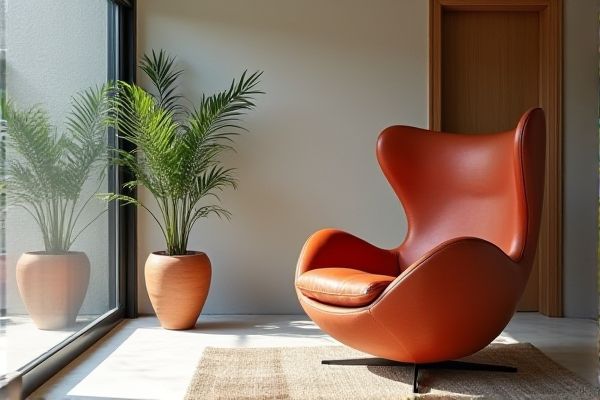
Sculptural chairs stand out with their artistic, bold designs that prioritize visual impact and creativity, while classic chairs focus on timeless elegance, comfort, and functionality. Discover how choosing between these styles can transform Your space by reading the rest of the article.
Table of Comparison
| Feature | Sculptural Chair | Classic Chair |
|---|---|---|
| Design | Artistic, bold, often asymmetrical | Traditional, symmetrical, timeless |
| Material | Mixed media, innovative materials | Wood, metal, fabric |
| Functionality | Decorative, statement piece | Practical, everyday use |
| Comfort | Variable, often secondary to aesthetics | Prioritized for user comfort |
| Price Range | Higher, collectible or designer priced | Affordable to premium options |
| Examples | Wassily Chair, Noguchi Freeform | Eames Lounge Chair, Windsor Chair |
Introduction to Sculptural and Classic Chairs
Sculptural chairs emphasize artistic design and unique shapes, often serving as statement pieces that blend functionality with visual appeal. Classic chairs prioritize timeless elegance, traditional craftsmanship, and comfort, featuring well-established styles like the Windsor or Queen Anne. Your choice depends on whether you prefer innovative aesthetics or enduring, familiar design.
Defining Sculptural Chairs
Sculptural chairs are designed as functional art pieces, emphasizing bold, unconventional shapes and innovative materials that challenge traditional furniture aesthetics. Unlike classic chairs, which prioritize comfort and timeless design, sculptural chairs often prioritize form and visual impact, making them statement pieces in any interior. Your choice between these styles depends on whether you value artistic expression or classic functionality in seating options.
Characteristics of Classic Chairs
Classic chairs feature timeless design elements such as elegant curves, ornate carvings, and rich wooden materials like mahogany or oak. Their construction emphasizes durability and comfort, often incorporating upholstered seats and backs with traditional fabrics like leather or brocade. These chairs prioritize symmetry, balanced proportions, and a refined aesthetic rooted in historical styles such as Queen Anne, Chippendale, or Louis XVI.
Design Philosophy: Art vs. Function
Sculptural chairs prioritize artistic expression through bold shapes and innovative forms, blurring the line between furniture and art. Classic chairs emphasize timeless design grounded in functionality, comfort, and ergonomics for everyday use. Your choice depends on whether you value visual impact or practical utility in seating.
Material and Craftsmanship Comparison
Sculptural chairs often showcase innovative materials like molded plastics, metals, and resin composites, emphasizing artistic expression and modern manufacturing techniques. Classic chairs typically utilize traditional materials such as solid wood, leather, and natural fibers, highlighting timeless craftsmanship and hand-finished details. Your choice between these styles reflects a preference for either avant-garde design and experimental materials or enduring quality and established artisan methods.
Ergonomics and Comfort Considerations
Sculptural chairs prioritize artistic design and visual impact, often sacrificing ergonomic support and adjustability compared to classic chairs, which emphasize comfort and proper posture with contoured seats and backrests. Your long-term comfort depends on choosing a chair with adequate lumbar support, cushioning, and adjustable features typically found in classic chair designs. While sculptural chairs enhance aesthetic appeal, classic chairs are better suited for prolonged use due to their focus on ergonomics and user well-being.
Aesthetics and Visual Impact
Sculptural chairs emphasize bold, artistic forms that serve as functional art pieces, enhancing interior spaces with unique shapes and dynamic lines. Classic chairs prioritize timeless elegance and symmetry, often featuring refined details and traditional craftsmanship that complement various decor styles. The visual impact of sculptural chairs draws immediate attention and creates focal points, whereas classic chairs provide subtle sophistication and enduring appeal.
Suitability for Different Spaces
Sculptural chairs complement modern and artistic interiors, acting as statement pieces that enhance contemporary living rooms, galleries, or creative studios. Classic chairs are versatile, fitting seamlessly into traditional dining rooms, offices, and cozy family spaces with their timeless design. Your choice depends on whether you seek bold visual impact or enduring functionality for your space.
Maintenance and Longevity
Sculptural chairs often feature unique materials and complex designs that may require specialized cleaning products and careful handling to maintain their aesthetic integrity, potentially increasing upkeep efforts. Classic chairs, typically crafted from durable hardwoods or metal with simpler forms, generally offer easier maintenance and longer-lasting durability under regular use. Your choice depends on balancing the artistic appeal of sculptural chairs with the practical longevity and ease of maintenance offered by classic designs.
Choosing the Right Chair for Your Needs
Sculptural chairs offer a bold, artistic statement with unique shapes and materials that emphasize design innovation, ideal for those seeking visual impact and individuality in their seating. Classic chairs provide timeless elegance, proven comfort, and versatile functionality, suited for settings where traditional aesthetics and reliability are paramount. Assessing your space requirements, style preferences, and ergonomic needs will help you determine whether a sculptural chair or a classic chair best complements your everyday living or work environment.