 homyna.com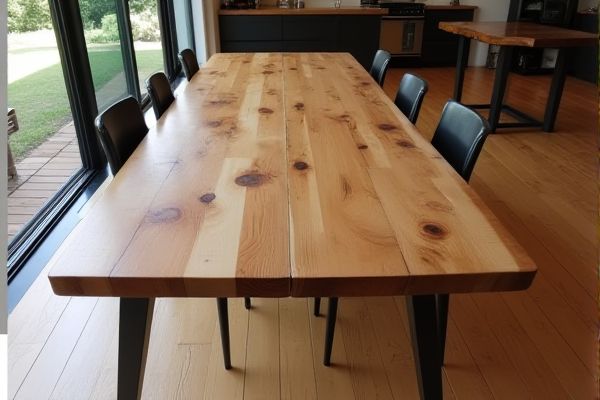
Bookmatched tables feature two symmetrical wood slabs joined at the center, highlighting natural grain patterns and creating a visually striking, mirror-like effect. Plank tables consist of multiple wooden boards joined edge to edge, offering durability and versatility for various styles; discover which design best fits Your space by reading the rest of the article.
Table of Comparison
| Feature | Bookmatched Table | Plank Table |
|---|---|---|
| Design | Mirrored wood grain pattern creating symmetrical aesthetics | Single or multiple planks with natural wood grain, linear appearance |
| Visual Appeal | Highly decorative, artistic, and unique patterns | Rustic, natural, and traditional look |
| Material Usage | Typically uses a single slab cut into matching halves | Multiple planks joined side-by-side |
| Construction Complexity | Requires precise cutting and joining for perfect symmetry | Simpler joinery, easier assembly |
| Cost | Generally higher due to slab quality and craftsmanship | More affordable, varies with plank quality and size |
| Durability | Strong if slabs are properly treated and joined | Durable, depends on plank thickness and wood type |
| Customization | Limited to the slab's natural pattern | Highly customizable in plank width and finish |
| Common Uses | High-end furniture, statement pieces, luxury design | Everyday furniture, rustic and farmhouse styles |
Introduction to Bookmatched and Plank Tables
Bookmatched tables feature two slabs of wood mirrored along the grain to create a symmetrical, visually striking pattern, enhancing the natural beauty and unique character of the wood. Plank tables consist of wide, solid wood boards joined side by side, emphasizing rustic charm, durability, and a straightforward, functional design. Both styles highlight distinct woodworking techniques that cater to different aesthetic preferences and interior design themes.
Definition of Bookmatched Tables
Bookmatched tables feature paired wood veneers joined side-by-side, creating a mirrored, symmetrical grain pattern that enhances visual appeal and uniqueness. In contrast, plank tables consist of several solid wood planks joined edge-to-edge, emphasizing natural texture and durability without symmetrical patterns. When choosing your table, bookmatched designs offer artistic elegance, while plank tables provide rustic charm and timeless sturdiness.
Definition of Plank Tables
Plank tables are crafted from wide, solid wood boards known as planks, showcasing natural grain patterns and knot details that emphasize rustic charm and durability. Unlike bookmatched tables, which feature mirrored wood grain patterns created by joining two adjacent boards, plank tables maintain a straightforward, linear design without symmetrical grain alignment. Your choice between these styles depends on whether you prefer the bold, unique visual impact of bookmatching or the timeless, natural appeal of plank boards.
Visual Differences: Bookmatched vs Plank Tables
Bookmatched tables feature mirrored wood grain patterns that create a symmetrical, visually striking effect, enhancing the natural beauty and depth of the wood. Plank tables showcase individual wood boards laid side by side, emphasizing rustic simplicity and unique grain variations without the mirrored symmetry. Your choice depends on whether you prefer the artistic cohesion of bookmatched surfaces or the straightforward, organic appeal of plank tables.
Craftsmanship and Construction Techniques
Bookmatched tables showcase exceptional craftsmanship through the precise alignment of mirrored wood veneers, creating a visually striking surface that highlights natural grain patterns. Plank tables emphasize sturdy construction by using wide, solid wood boards joined edge-to-edge, often incorporating traditional techniques like tongue-and-groove or dowel joinery to ensure durability. Your choice depends on whether you value artistic craftsmanship or robust, straightforward construction.
Unique Grain Patterns and Aesthetics
Bookmatched tables showcase striking symmetry with mirrored grain patterns that create a visually captivating centerpiece, enhancing the natural beauty of the wood. Plank tables emphasize the individual character of each board, offering a more rustic and varied aesthetic through distinct grain lines and textures. Your choice depends on whether you prefer the balanced elegance of bookmatched designs or the organic appeal of plank arrangements.
Material Sourcing and Sustainability
Bookmatched tables typically use pairs of veneers cut from the same wood log, maximizing the visual appeal but relying on limited, often exotic hardwood sources, which may raise sustainability concerns if not responsibly sourced. Plank tables are crafted from solid wood slabs, often allowing for the use of locally sourced, sustainably harvested timber and reducing reliance on rare species. Choosing sustainably certified wood in either table type supports forest conservation and promotes environmentally friendly material sourcing practices.
Durability and Maintenance Considerations
Bookmatched tables feature two mirrored slabs joined at the center, creating a stunning visual effect while maintaining strong structural integrity, but they may require more careful maintenance to prevent warping and cracking due to their natural wood properties. Plank tables, composed of multiple wooden boards joined side by side, offer robust durability and easier repair options if individual planks suffer damage, making them a practical choice for everyday use. Your decision should consider the balance between the exquisite appearance of bookmatched wood and the straightforward upkeep of plank construction.
Price Comparison: Bookmatched vs Plank Tables
Bookmatched tables generally command higher prices than plank tables due to the intricate matching of wood grain that requires skilled craftsmanship and less material waste. Plank tables, constructed from wide, solid wood boards, offer a more budget-friendly option with simpler manufacturing processes and readily available materials. The price difference reflects not only the design complexity but also the uniqueness and aesthetic appeal inherent in bookmatched surfaces.
Choosing the Right Table for Your Space
Bookmatched tables showcase matched wood grain patterns that create a symmetrical, artistic surface ideal for highlighting natural beauty in a compact or feature-focused space. Plank tables, constructed from solid wood boards, offer durability and a rustic charm, making them perfect for larger areas requiring sturdy, timeless furniture. Your choice depends on whether you prioritize aesthetic elegance and visual impact or robust functionality and space versatility.